Iran-Arab Talks on Hormuz Shipping Routes Postponed Amid Saudi Objections
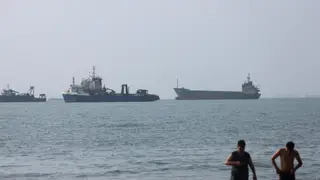
A planned meeting between Iran, Iraq, and Gulf Cooperation Council states to discuss temporary shipping routes in the Strait of Hormuz was postponed. Iran's foreign ministry cited Saudi Arabia's objection, while US media reported Riyadh sought amendments to the proposal. The delay follows recent drone attacks on Saudi oil infrastructure and Houthi seizures along Yemen's coast.
The postponed Salalah meeting was meant to include officials from Iran, Iraq, and GCC members, with Bahrain declining participation. Iran's foreign ministry directly attributed the delay to Saudi objections, while US outlets reported Riyadh sought changes to the Iran-Oman proposal over concerns it would cement an unacceptable new status quo for the waterway.
The setback follows significant regional disruptions: Saudi Arabia closed its East-West oil pipeline after drone strikes originating from Iraq, and Houthi forces seized Yemen's Red Sea coast before launching missile and drone attacks on Saudi military sites. Iran maintains its bilateral agreement with Oman was finalized last month and plans to announce or register it despite the broader regional impasse.
The postponement could deepen uncertainty for global energy markets and shipping insurers, as the Strait of Hormuz remains a critical chokepoint for oil transit. Regional states may face heightened pressure to choose sides between Tehran's proposed framework and Washington's position, potentially straining Gulf cooperation. The delay may also embolden non-state actors like the Houthis to escalate further, while ordinary populations in the Gulf could experience prolonged economic volatility and security concerns.