Captive-raised crocodiles adapt to wild instead of homing, aiding conservation
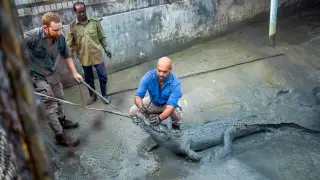
Saltwater crocodiles bred or raised in captivity and released into Bangladesh's Sundarbans did not attempt to return to their breeding facility, contrary to typical homing behavior. This suggests that releasing larger, mature captive crocodiles could be more effective for restoring depleted populations than releasing vulnerable hatchlings. The finding offers a new strategy for conservation efforts.
The study tracked five mature saltwater crocodiles using satellite devices in Bangladesh's Sundarbans, the species' final stronghold there. Three captive-reared females had spent 8–22 years in captivity, while two wild crocodiles served as comparisons—one released at its capture site, one relocated far from it. None of the captive animals attempted to return to their breeding facility.
The Sundarbans population stands at roughly 140 mature individuals despite legal protection since 1973. Commercial skin hunting through the 1970s caused the initial collapse. Hatchling releases have historically shown extremely low survival rates, making larger captive-bred animals a potentially more practical reintroduction option for accelerating population recovery.
This finding could reshape conservation strategies for depleted crocodile populations in other regions. If larger captive-raised crocodiles reliably adapt to wild habitats, programs may shift away from vulnerable hatchling releases, potentially speeding up population recovery. Local communities near the Sundarbans could benefit from a healthier ecosystem, though increased large-predator numbers may raise safety considerations. Wildlife managers elsewhere may also revisit relocation and reintroduction protocols based on these results.