AI safety debate deepens US-China tech rivalry
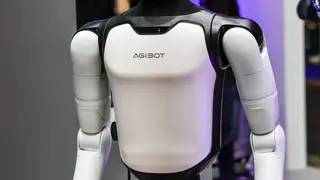
Anthropic CEO Dario Amodei has called for slowing the development of powerful AI systems and restricting China's access to advanced chips, prompting Beijing to accuse Washington of using safety concerns as a cover for dominance. The dispute reflects intensifying competition between the two nations over AI leadership. China has warned against 'fear-mongering' in the debate.
Amodei's proposal includes a moratorium on the most advanced model releases and tighter export controls on high-end semiconductors to China. He also flagged the practice of "distillation" where Chinese labs allegedly replicate US models. His stance gained backing from OpenAI's Altman and Tesla's Musk, though President Trump dismissed the need for a slowdown, asserting US leadership in the field.
Beijing's official response rejected the alarm, with the Foreign Ministry advocating for cooperative governance. The state-run Global Times characterized the proposal as a strategic maneuver to maintain US supremacy, labeling it a "silent AI Cold War." While the US currently leads in key metrics, analysts note China's rapid progress is narrowing the gap, making the dispute a central front in the broader technological rivalry.
This dispute could reshape global AI governance, potentially leading to a bifurcated technological landscape where US and Chinese systems operate under different safety and access rules. Businesses and researchers may face increased compliance costs and restricted collaboration. The rhetoric may also accelerate national security concerns, prompting governments to adopt more defensive cyber postures. Ultimately, the outcome could determine whether AI development prioritizes open innovation or strategic competition, affecting everyone from consumers to policymakers.