Scholar discusses reshaping Western perceptions of Islam
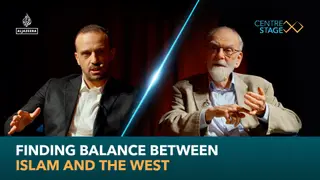
In a video interview, Cambridge visiting fellow Ahmed Paul Keeler explores how the Islamic world can counter Western narratives about it. He discusses his personal journey, modernity, and the relationship between the West and Islam. The conversation addresses the need for alternative perspectives.
The video interview centers on Ahmed Paul Keeler, a visiting fellow at Cambridge, and his argument that the Islamic world must actively participate in shaping how it is perceived globally. Keeler’s own path—implied through the mention of his personal journey—serves as a lens for the discussion, grounding abstract ideas in lived experience. He reportedly addresses the role of modernity in this dynamic, suggesting that contemporary frameworks often distort mutual understanding between the West and Islam.
The conversation also touches on the structural imbalance in how narratives are produced and circulated, with Keeler advocating for alternative perspectives that challenge dominant Western portrayals. By framing the issue as one of relationship rather than confrontation, the interview positions dialogue and intellectual exchange as key tools. The piece appears aimed at audiences interested in cross-cultural communication, religious identity, and the politics of representation in global media.
This story could resonate with academics, policymakers, and interfaith communities who grapple with persistent stereotypes in international discourse. By foregrounding a Muslim scholar’s voice within a Western institution, it may encourage more nuanced coverage of Islamic topics in mainstream media. However, its impact depends on reach—if confined to niche outlets, it risks reinforcing existing echo chambers rather than shifting broader public perception. The interview’s framing of modernity and mutual relationship could also influence how younger, globally minded audiences approach these debates.