Russia and Ukraine accelerate development of AI-driven autonomous weapons
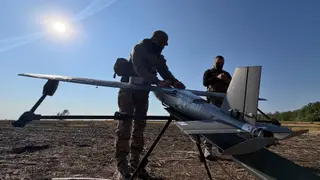
The article reports on the first recorded use of a fully autonomous AI-powered drone by Russia in Ukraine, which killed a civilian. Both sides are building tech infrastructure to coordinate reconnaissance and attacks using artificial intelligence. Analysts say this represents just the beginning of an autonomous warfare race.
The July 6 strike in Zaporizhzhia marked a notable first in the conflict, as the drone's Nvidia-built computer enabled it to identify and pursue propane tanks without direct human control. The absence of a traditional antenna distinguished it from remotely piloted vehicles previously used in the war.
Both militaries are now fielding broader battlefield coordination networks. Ukraine's DELTA system and Russia's Svod complex process sensor data to shorten the kill chain, linking reconnaissance assets with artillery units within minutes. Analysts view these architectures as the groundwork for an emerging autonomous warfare race, with AI accelerating target identification and strike coordination across multiple platforms.
The move toward autonomous weapons could fundamentally reshape accountability in warfare, as AI-driven targeting decisions blur the line between human command and machine action. Civilians in conflict zones may face heightened risk from systems that cannot interpret nuanced battlefield contexts, potentially complicating efforts to attribute responsibility for strikes. This technology may also lower barriers to escalation, as nations with advanced AI capabilities could deploy forces while reducing exposure of their own personnel, prompting broader debates about the adequacy of existing international humanitarian law.