Washington's Taiwan Guarantee Fades as Trump Prepares for Xi Summit
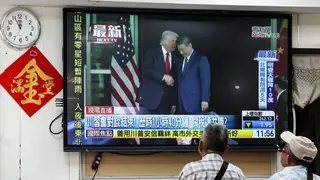
Ahead of a second Trump-Xi summit on September 24, analysts worry that Washington's traditional policy of strategic ambiguity toward Taiwan is eroding into a posture of weaker support. The meeting has raised concerns in Taipei and among US China-policy experts that Trump might trade away Taiwan's security in negotiations. The shift risks miscalculation by China and could destabilize the regional balance.
The September 24 White House meeting marks the second Trump-Xi summit of the year, following a May session dominated by trade negotiations. With that initial deal concluded, the upcoming talks are expected to center on managing the bilateral relationship under the framework both sides have termed "constructive strategic stability," though Taiwan is anticipated to surface in discussions.
Strategic ambiguity originated in the late 1970s and 1980s, following Washington's diplomatic recognition of Beijing. The doctrine served dual purposes: deterring Chinese military action against Taiwan while simultaneously restraining Taipei from provocative moves toward independence. Trump's previous remarks—noting Xi's strong feelings on Taiwan and dismissing the prospect of a distant war—have heightened concerns that this carefully balanced approach is eroding.
The erosion of strategic ambiguity could reshape regional stability in ways that affect global markets, military posture, and diplomatic relations across the Indo-Pacific. Taiwan's government and citizens may face heightened uncertainty about their security guarantees, potentially influencing investment decisions and domestic politics. China's leadership could misinterpret weakened US resolve as license for more assertive actions, while US allies in the region may reassess their own security arrangements. The September summit's outcome could therefore send signals far beyond Washington-Beijing relations, affecting how other nations calibrate their engagement with both powers.