European nations pledge stronger Arctic engagement amid great-power rivalry
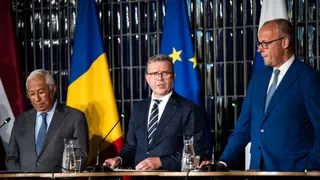
Twelve EU member states have agreed to increase investment in the Arctic, calling the region a geopolitical hotspot. The leaders identified Russia as the primary security threat, while also noting the ambitions of China and the United States. German Chancellor Friedrich Merz said the era of neglecting the Arctic is over.
The summit in Rovaniemi, Finland, brought together leaders from twelve EU member states, several of which hold no direct Arctic territory. Their joint statement urged the bloc to adopt a more strategic posture in the region, reflecting a shift toward viewing the High North as central to European defense and economic interests rather than a peripheral concern.
Russia's recent modernization of Soviet-era military bases was cited as a key driver of the heightened alert. Meanwhile, tensions involving Greenland have complicated alliance dynamics, with the EU recently pledging 200 million euros in partnership funding for the territory following repeated annexation threats from the United States.
This coordinated European push could reshape security dynamics across the Arctic, potentially affecting residents of northern communities who may see increased military and commercial activity in their regions. The investment pledges may also influence global energy markets and shipping routes, with broader economic consequences. However, heightened great-power competition could increase regional instability, and local populations may find themselves caught between rival interests. The outcome likely depends on whether diplomatic engagement keeps pace with strategic posturing.