Gaza families face tough choices over schooling amid war and poverty
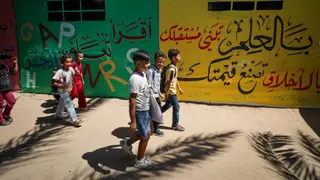
As the new school year approaches in Gaza, many displaced families are struggling to afford even low-cost tent schools, while private schools remain out of reach. The war has destroyed many schools, leaving children to learn in makeshift classrooms with minimal supplies. Parents say basic needs like food and water take priority over education fees.
Nearly three years of conflict have left Gaza's education system in ruins, with UNICEF reporting that roughly 700,000 children have missed consecutive years of formal schooling. Only two percent of school buildings remain undamaged, while 93 percent require major repairs or full reconstruction, leaving about 420,000 children without access to in-person learning.
The dangers extend beyond infrastructure. At least 300 children have been killed since last October's ceasefire, including eight-year-old Wafaa Akila, who died alongside her father when their car was struck returning from school. Volunteer-run tent classrooms now serve as makeshift alternatives, though they lack basic furniture and supplies, and families must weigh tuition against food and water costs.
This education crisis could shape an entire generation of Gaza's children, affecting their literacy, social development, and future economic prospects. Families already struggling with displacement and poverty may see educational gaps widen further, potentially deepening inequality between those who can afford private schooling and those who cannot. The psychological toll of learning amid ongoing violence may also affect children's ability to concentrate and retain knowledge, with long-term consequences for Gaza's workforce and social recovery that could persist well beyond the current conflict.