UN warns Sudan's humanitarian lifeline could break within weeks
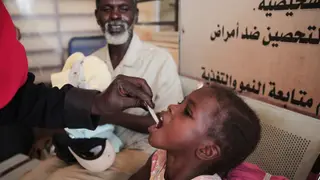
The International Organization for Migration warned that Sudan's emergency relief pipeline could run out of shelter and aid supplies by the end of September without new donor funding. The agency said the entire humanitarian system might collapse within weeks amid ongoing fighting, heavy rains, and mass displacement. Over 8.6 million people are internally displaced in Sudan, with the conflict having killed more than 200,000 since April 2023.
The IOM’s Common Humanitarian Pipeline, a network of nearly 100 aid groups, has already delivered supplies to 2.8 million people since July 2023, but its reach is shrinking as donor funds dry up. Sustaining the system for a year to support 305,000 people costs $15 million, while restoring 2024 aid levels would require $42 million. Meanwhile, WFP funding for Sudan has dropped by roughly half this year, from $645 million to just $206 million, even as access to affected areas has improved.
Fighting continues to compound the crisis. An RSF drone attack on Damazin, capital of Blue Nile region, killed at least four civilians and wounded others overnight, targeting fuel stations and civilian infrastructure, according to a senior Sudanese military official. Heavy rains and floods have also damaged shelters, forcing more displacement among the 8.6 million internally displaced people.
The collapse of Sudan’s aid pipeline could deepen an already catastrophic humanitarian situation, leaving millions without shelter, food, or medical care precisely as fighting and floods intensify. If funding gaps persist, relief agencies may be forced to scale back operations, potentially worsening malnutrition, disease outbreaks, and displacement-driven vulnerabilities. The impact would ripple beyond Sudan, straining neighboring countries hosting refugees and heightening regional instability, while the international community’s response—or lack thereof—could set a precedent for future crisis funding priorities.