Houthi Offensive Disrupts Gulf-Iran Talks as Oil Prices Rise
Yemen's Houthi forces, backed by Iran, seized key Red Sea positions including Perim Island and the Bab el-Mandeb strait area, prompting Gulf Arab states to postpone scheduled negotiations with Tehran. The escalation follows U.S. President Donald Trump's claim that Iran seeks a quick deal to end the war, but regional actions suggest a different trajectory. Rising oil prices add further strain to diplomatic efforts amid the renewed conflict.
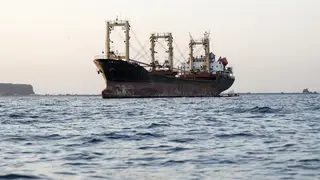
The Houthi seizure of Mokha, Perim Island, the Hanish islands, and Dhubab effectively places the critical Bab el-Mandeb strait under rebel control, a chokepoint for global shipping. This offensive directly challenges the Saudi-led coalition's support for Yemen's recognized government. The rebels also launched a barrage of missiles and drones at a Saudi airbase, triggering emergency alerts in Riyadh.
Separately, Saudi Arabia's East-West pipeline remains offline after drone attacks attributed to Iran-backed militias in Iraq. This pipeline is crucial for bypassing the Strait of Hormuz. Its continued closure could force Saudi production cuts, exacerbating global supply strains. The same day, Gulf states shelved planned talks with Tehran, contradicting Trump's assertion that Iran seeks a quick deal.
The renewed Houthi offensive and pipeline disruption could push oil prices higher, affecting households and businesses worldwide through increased fuel and transport costs. The postponement of Gulf-Iran talks may deepen regional mistrust, potentially prolonging the conflict. If the Bab el-Mandeb strait remains contested, global shipping insurance and rerouting costs could rise, further straining supply chains. These developments may also undermine confidence in diplomatic solutions, leaving civilians in Yemen and the broader region facing extended instability.