Benin's deep coral reef, long presumed dead, shows thriving ecosystem
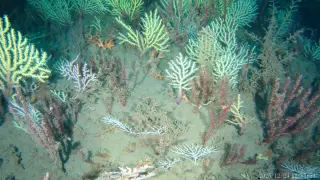
Modern sonar and underwater cameras revealed healthy coral patches and multiple fish species more than 50 meters below the surface off Benin, contradicting surveys from the 1960s that had declared the reef probably dead. The rediscovery suggests that other overlooked mesophotic coral ecosystems may exist in West African coastal waters. Researchers described the moment of seeing the first images as a mix of excitement and disbelief.
The rediscovery relied on a combination of modern tools that did not exist when the original surveys were conducted. Researchers used sonar to scan 11.5 kilometers of seafloor, identifying two potential reef structures before deploying an underwater drone and the National Geographic Deep Sea Camera System to capture visual confirmation. The reef exists as scattered coral patches on rocky seabed sections rather than a continuous wall, a characteristic of mesophotic ecosystems that thrive in dim, deeper waters.
The site supports at least eight coral types and eight fish species, including golden African snappers and Guinean angelfish, which use the reef for shelter and feeding. This marks the first confirmed living mesophotic coral ecosystem on the Gulf of Guinea continental shelf, suggesting that similar overlooked habitats may exist throughout West African coastal waters.
This discovery could reshape understanding of West Africa's marine biodiversity and inform future conservation priorities. If other mesophotic reefs exist in the region, they may serve as important refuges for fish populations and buffer zones against the pressures facing shallow reefs. The findings may also encourage renewed scientific interest in understudied deep-water habitats, potentially influencing how coastal nations approach marine resource management and habitat protection in waters previously assumed to hold little ecological value.