Washington Needs a Durable Russia Strategy Beyond Ukraine Ceasefire
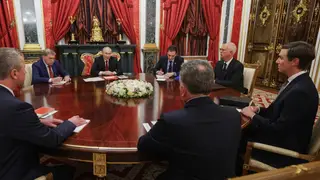
After months of stalled talks, U.S. envoys Steve Witkoff and Jared Kushner recently met with Russian and Ukrainian leaders, but no progress was made on core issues. The author argues that high-level shuttle diplomacy is insufficient and that Washington must establish sustained official channels to manage multiple possible futures with Russia. The eventual end of the Ukraine war should not be the sole focus of U.S. policy toward Moscow.
The article notes that U.S.-Russia relations have been strained since 2014, with Washington imposing costs for Moscow's actions in Ukraine, interference in Western political systems, and domestic repression. These policies, while justified, have eroded the diplomatic infrastructure needed for sustained engagement between the two capitals.
The author emphasizes that beyond Ukraine, the nations share overlapping interests in nuclear risk reduction, space security, Arctic governance, and pandemic response. Managing these issues requires institutional capacity and official channels, not merely occasional high-level visits, even without restoring normal relations or trust.
This analysis suggests U.S. policy toward Russia may need to shift from episodic crisis management to sustained strategic engagement. If adopted, such an approach could affect diplomatic staffing levels, negotiation priorities, and public expectations about U.S.-Russia relations. The eventual Ukraine settlement could shape broader international stability, influencing allied confidence in American leadership and Russia's calculations about future aggression.