Community Leaders Launch Latino Conservation Week at Ironwood Forest National Monument
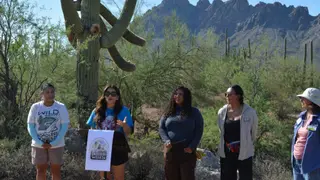
The 12th annual Latino Conservation Week began with a press conference at Arizona's Ironwood Forest National Monument, where advocates emphasized the importance of protecting public lands. Cassandra Becerra of Mountain Mamas shared her personal connection to the outdoors and called on the Latino community to engage in conservation efforts. The event, organized by the Hispanic Access Foundation, seeks to empower Latinos to advocate for natural resource protection.
The monument spans 129,000 acres of Sonoran Desert habitat north of Tucson and has served since 2000 as a protected zone for scientific study and as a barrier against mining expansion. ASARCO's Silver Bell mine, located just outside the boundary, has long sought to grow its copper operations into the protected area but has been blocked by the monument's status. The Trump administration has identified Ironwood Forest among six national monuments that could be reduced in size, following July executive orders that already shrank Bears Ears and Grand Staircase-Escalante in Utah, prompting lawsuits and local criticism.
Becerra's remarks highlighted how Latino families have historically cared for these landscapes while passing down knowledge across generations. Her personal trajectory—arriving from Mexico as a child and later becoming Arizona State Director for Mountain Mamas—illustrates the connection between immigrant experiences and environmental advocacy. The Hispanic Access Foundation organized the week to encourage broader Latino participation in protecting natural resources.
This event could influence how Latino communities engage with public lands policy at a moment when monument protections face uncertainty. If the administration reduces Ironwood Forest's boundaries, mining interests may gain access to copper deposits, potentially affecting local water quality and desert ecosystems. The week's emphasis on Latino stewardship may also shift public discourse, amplifying voices historically underrepresented in conservation debates. Broader societal impacts could include altered recreation opportunities for nearby Tucson residents and precedents for how other threatened monuments are handled.