Advocates threaten lawsuit to secure endangered status for Pacific gray whales
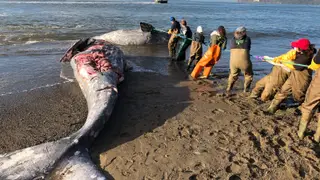
Gray whale populations along the U.S. West Coast have dropped by roughly half over the past decade, with 187 carcasses washing ashore this summer. Scientists attribute the decline to shrinking Arctic food supplies linked to climate change. Conservation groups have filed a notice of intent to sue the Trump administration for failing to act on a petition to relist the species under the Endangered Species Act.
The Newport conference drew several hundred participants from across North America, though organizers barred policy discussions to protect government scientists wary of administration retaliation. NOAA has missed deadlines for both the relisting petition response and this year's gray whale birth count. The agency declined to comment on the matter.
Gray whales were delisted in 1994 after recovering from 19th-century commercial whaling, which had driven them to historic lows. Federal protections beginning in the 1970s helped the West Coast population more than double. Currently, roughly 400 species sit in a federal listing backlog, while the administration has proposed eliminating the Marine Mammal Commission and rolling back habitat protections.
This dispute could reshape how the federal government handles climate-driven species declines. If the lawsuit proceeds, it may force NOAA to formally evaluate whether warming Arctic conditions warrant renewed protections, potentially setting precedent for other climate-threatened species. Coastal communities, fisheries, and marine industries along the West Coast could face new regulatory constraints, while conservation groups may gain leverage in pressing the administration on environmental obligations. The outcome could also influence public perception of whether political interference is compromising scientific decision-making.