The quest for immortality faces biological and practical hurdles
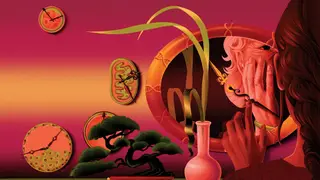
Humans are uniquely aware of their mortality, and efforts to extend life span are growing. Scientists study the diversity of lifespans across species to understand if aging is inevitable. While medical advances have reduced early death, the dream of radical life extension remains uncertain.
The article highlights how lifespan differences across species stem from evolutionary trade-offs, not fixed biological limits. Small, short-lived animals prioritize rapid reproduction over maintenance, while larger or flight-capable species invest in longevity because survival odds improve. This suggests aging is not inevitable but a product of natural selection’s indifference to post-reproductive life. Additionally, genes that aid early development may cause harm later, illustrating a genetic tension between youth and old age. These insights frame current anti-aging research as an attempt to override evolutionary constraints, though the practical path remains unclear.
Radical life extension could reshape demographics, healthcare, and intergenerational dynamics. If successful, it may strain pension systems and resource distribution, while widening gaps between those who can afford treatments and those who cannot. Society could see shifts in career timelines, family structures, and cultural attitudes toward death. However, given the biological hurdles described, near-term impact is likely limited to incremental healthspan gains, benefiting older adults through extended productivity and reduced care burdens, rather than true immortality.