U.S. Funding Cut Exposes Al-Shabab's Enduring Strength in Somalia
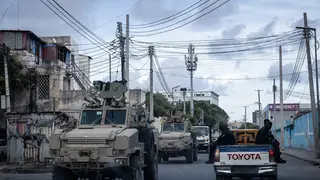
The United States will end its funding for the United Nations Support Office in Somalia by December 31, cutting logistical aid for the African Union peacekeeping mission. After two decades of U.S.-backed military intervention, al-Shabab remains more powerful than before, according to analysts. Critics argue that the international community never developed a coherent strategy to defeat the militant group.
The U.S. decision to halt UNSOS funding by year’s end follows roughly $3.6 billion in American support for AU missions in Somalia since 2007, including nearly $2 billion via U.N. channels and $1.6 billion in bilateral aid. Analysts note that while peacekeepers cleared al-Shabab from major cities like Mogadishu, the group retains control over most rural south-central areas, evolving into a shadow state.
Critics argue the international community never crafted a coherent or coordinated strategy, instead propping up a mission while al-Shabab built parallel governance. The withdrawal of logistical aid—covering food, fuel, and medical supplies—could further strain the AU force, which has relied on U.S. backing for two decades.
This funding cut may reshape regional security dynamics, potentially leaving Somali civilians more exposed to al-Shabab’s extortion and violence in rural zones. It could also pressure African troop-contributing countries to reduce their presence, creating a vacuum that militant groups might exploit. However, the move may spur renewed diplomatic efforts toward a realistic political settlement, though short-term instability appears likely.