Ancient apple tree identified as ancestor of many varieties
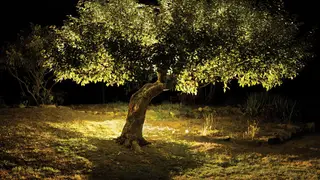
A genetic analysis of a centuries-old apple tree found in Maine revealed it to be a direct ancestor of hundreds of American apple varieties. The discovery was made by a researcher at Washington State University using DNA fingerprinting. This finding could help preserve rare genetic traits and improve future apple breeding.
The tree grows on Verona Island, Maine, on land with Revolutionary War-era roots. Its DNA fingerprint filled a gap in the North American apple pedigree that researchers had predicted but never located. The identification came through Washington State's MyFruitTree program, which matches public submissions against a database of known varieties.
The finding matters because commercial apple production rests on a narrow genetic base. Though roughly 2,500 varieties exist in the U.S., only about 100 are grown commercially, and just 15 dominate the market. The ancient tree may carry traits—disease resistance, hardiness—that modern breeding has overlooked but could prove essential as climate and pests shift.
This discovery could help preserve genetic diversity in American apple cultivation, potentially strengthening future breeding programs against disease and climate pressures. Growers and breeders may gain access to traits once selected against but now holding renewed value. Consumers could ultimately benefit from more resilient fruit supplies, though commercial adoption would take years. The finding also highlights how citizen science and public participation in genetic research can yield meaningful agricultural discoveries.