Screwworm parasite resurfaces in the U.S. as officials deploy new risk-mapping tool
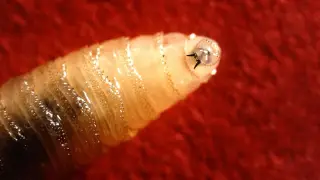
The New World screwworm, a parasitic fly whose larvae feed on living flesh, has reappeared in Texas and New Mexico after being eliminated from the U.S. in the 1950s. Researchers at UC San Diego have built a dashboard that combines detection data, environmental conditions, and media reports to forecast high-risk counties. Officials are also reviving the sterilization-based eradication approach that previously worked.
The screwworm's return ends a seven-decade absence from American soil. Its larvae use mouth hooks to burrow into healthy tissue, unlike typical maggots that consume only dead matter. Females deposit eggs in wounds or natural openings, and infestations can worsen rapidly without treatment.
The new dashboard combines confirmed detections, environmental conditions favorable to the fly, and news reports that may flag outbreaks before laboratory confirmation, which can lag by days or weeks. The sterilization technique that eliminated the pest in the 1950s is being revived to counter the current spread.
The screwworm's return could threaten livestock producers across the Southwest, potentially reviving the massive economic losses seen before eradication. Ranchers, veterinarians, and pet owners may face new monitoring and treatment burdens, while wildlife populations could suffer unseen impacts. Public health officials may need to expand surveillance networks, and rural communities dependent on agriculture could experience financial strain if infestations spread beyond current borders.