Simple therapies outperform high-tech options for knee osteoarthritis, large review finds
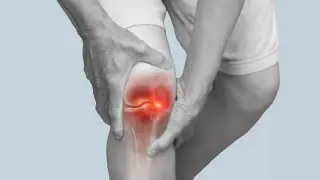
A network meta-analysis of 139 trials with nearly 10,000 participants found that knee braces, water-based exercise, and regular physical activity were among the most effective non-drug treatments for knee osteoarthritis. Ultrasound and other high-tech interventions consistently ranked lower in reducing pain and improving function. The findings support prioritizing low-cost, accessible therapies before considering more advanced options.
The analysis pooled data from 139 clinical trials covering nearly 10,000 participants, comparing 12 non-drug interventions for knee osteoarthritis. Network meta-analysis allowed researchers to rank treatments against one another rather than evaluating each in isolation. Knee braces showed the strongest overall results, improving pain, stiffness, and mobility. Hydrotherapy excelled specifically at pain reduction, while routine exercise delivered steady gains in both comfort and function. Ultrasound ranked consistently low across outcome measures.
The authors note that study designs varied widely, with differing group sizes and treatment lengths, so rankings should be interpreted cautiously. They suggest physical therapies may serve as viable alternatives to anti-inflammatory drugs, which carry gastrointestinal and cardiovascular risks. Future work may explore combination approaches.
This research could influence clinical guidance for the millions of older adults living with knee osteoarthritis. If simpler, low-cost options like braces and water exercise gain wider adoption, patients may avoid medication side effects and reduce healthcare spending. However, access to supervised exercise programs or hydrotherapy facilities varies by region and income level, so benefits may not reach everyone equally. Clinicians may also need updated training to prioritize these approaches.