Open-source robotics operations framework targets fleet management standardization
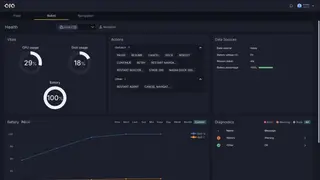
InOrbit has released OpenRobOps, an open-source software foundation for robot fleet operations and management. The offering includes a reference implementation of the ISO 21423 interoperability standard, aiming to reduce the need for custom backend development. The company says it provides high-throughput telemetry and real-time spatial tracking to support scaled deployments.
InOrbit, a Mountain View company founded in 2017, positions OpenRobOps as a production-grade foundation that lets robot developers bypass years of custom backend work. The framework includes bandwidth-efficient telemetry for unstable networks, real-time spatial tracking with a robot-locking mechanism for safe teleoperation, and configuration-as-code management through Git workflows. It also supports edge-to-cloud deployment options, including fully air-gapped setups, plus built-in adapters for Open-RMF multi-fleet traffic systems.
The release serves as a reference implementation of ISO 21423, the upcoming standard governing communication between industrial mobile robots and fleet managers. InOrbit's CEO noted the framework applies broadly across robot form factors, from wheeled platforms to legged machines, potentially leveling the competitive field for smaller robotics companies.
OpenRobOps could accelerate robotics adoption by lowering the barrier to fleet management, particularly for smaller manufacturers that previously faced years of backend development. If ISO 21423 gains traction, organizations running mixed fleets may benefit from standardized interoperability, reducing vendor lock-in and integration costs. However, the practical impact depends on industry uptake of both the open-source framework and the standard itself, which may take time to mature across diverse deployment environments.