25 Years Later, 9/11 Dust Exposure Still Shapes Health Outcomes
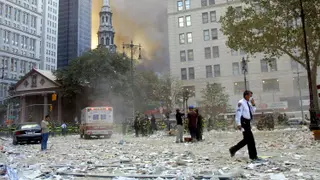
Newly released city records and a medical paper reveal that health consequences from World Trade Center dust exposure continue to emerge a quarter-century after the attacks. Philip Landrigan, who led early evaluations of exposed workers, notes that the disaster produced far more chronic illnesses than immediate injuries. The findings underscore the long-term environmental health burden faced by first responders and cleanup crews.
The attacks inverted the usual disaster casualty pattern, producing relatively few acute injuries but a vast population facing chronic, dust-related illness. Landrigan's occupational medicine team at Mount Sinai moved quickly to design worker evaluation protocols, recognizing the unique exposure risks before long-term data existed.
Newly released city records—170,000 pages spanning air-quality monitoring and internal communications—show officials grappling with uncertainty while publicly reassuring residents. A concurrent JAMA paper, drawing on World Trade Center Health Program data, confirms that conditions such as respiratory disease and certain cancers can surface decades after initial exposure, extending the monitoring burden well beyond the immediate aftermath.
This story could influence how the public perceives government assurances during environmental emergencies, particularly when scientific uncertainty is high. First responders, cleanup crews, and lower Manhattan residents remain directly affected, facing ongoing medical monitoring and treatment needs. The findings may also shape future disaster-response protocols, prompting officials to prioritize long-term health surveillance alongside immediate recovery efforts, and could affect how communities weigh trust in official safety declarations during similar crises.