Legal Challenge Mounted Against Rule Penalizing Immigrants for Using Public Benefits
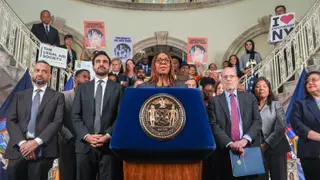
A coalition of Democratic-led states and cities filed lawsuits against a federal rule that would allow denial of green cards to immigrants who rely on public assistance for food, healthcare, and housing. The rule is set to take effect Friday, and opponents argue it forces families to choose between needed aid and legal status. The Department of Homeland Security dismissed the concerns, saying sanctuary states fear losing federal funds.
The legal challenges were consolidated in federal court in Manhattan, with New York Attorney General Letitia James leading a coalition of 21 states. The rule revives a Trump-era policy that Biden had reversed, and opponents argue it unlawfully broadens the definition of "public charge" beyond what Congress intended.
Under the rule, immigration officers may weigh nearly any public benefit against green card applicants, including benefits used by U.S. citizen family members. The rule does not enumerate specific programs but grants officers discretion for individualized determinations. Federal law already requires applicants to demonstrate they will not depend on public benefits.
This rule could create significant uncertainty for immigrant families navigating legal status, potentially discouraging use of food, healthcare, and housing assistance even when legally entitled. Families may face difficult choices between needed aid and residency prospects. The legal challenge may delay implementation or prompt judicial review, affecting how federal immigration policy balances enforcement with humanitarian concerns. Broader societal impacts could include increased strain on state and local safety-net programs if eligible immigrants avoid them.