Beef Import Proposal Angers Ranchers, Republicans Ahead of November Vote
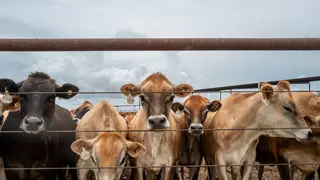
President Donald Trump's plan to temporarily lower tariffs on 300,000 metric tons of lean beef trimmings to reduce record ground beef prices has drawn sharp criticism from agricultural groups and Republican lawmakers. The American Farm Bureau Federation's president called the move a "gut punch to ranchers' bottom line," while retiring Sen. Thom Tillis argued it would not provide systemic price relief. The backlash comes less than two months before midterm elections, adding political risk for the administration.
The proposal would temporarily admit 300,000 metric tons of lean beef trimmings at reduced tariffs for 90 days, targeting record ground beef prices that rose again in August. The underlying crisis stems from a cattle herd at a 75-year low, driven by high energy, fertilizer, and other input costs that made selling animals more profitable than breeding them.
Agricultural economists note that 300,000 tons of imports cannot resolve the structural supply shortage, as rebuilding herds takes years—cattle cycles last roughly a decade. The political fallout is acute: the Farm Bureau's president called it a "gut punch," and retiring Sen. Tillis warned that with 71 days to midterms, farm country lacks a positive message, suggesting potential voter backlash.
This move could reshape the political landscape in rural America, where ranchers may see it as a betrayal of their interests, potentially dampening Republican turnout in key midterm districts. Consumers, meanwhile, may see little relief if imports fail to address the underlying supply shortage, leaving prices high. The policy could also strain trade relations and undermine confidence in the administration's agricultural stewardship, with effects rippling through the broader food economy.