Lawmakers remain split on AI oversight as industry warnings escalate
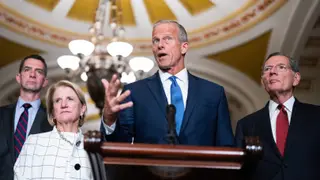
Recent industry warnings about national security risks from advanced AI have prompted expressions of concern from lawmakers, but no consensus has emerged on legislative action before the midterms. Speaker Mike Johnson dismissed the threats as overstated and said companies can self-regulate, while President Trump called the issue a hoax. A bipartisan bill exists but lacks broad support, and Senate Majority Leader John Thune acknowledged uncertainty about traction for his own AI proposal.
The legislative landscape shows a clear partisan divide, with Republican leadership largely deferring to industry self-governance while some Democrats push for federal standards. Cantwell specifically opposes weak federal rules and state preemption, advocating for independent testing infrastructure instead. Meanwhile, Thune and Klobuchar's forthcoming proposal represents a potential middle path, though its details remain unreleased.
The White House meeting Johnson referenced could shape the debate, though Trump's dismissal of the issue suggests limited regulatory appetite. Tillis, despite rejecting the "hoax" characterization, aligns with the industry-led approach. With the midterm timeline tight and other priorities competing, Barrasso's assessment that no vote appears imminent reflects the broader reality of a Congress unable to reach consensus.
The lack of congressional consensus on AI oversight could leave significant national security and safety questions unaddressed as advanced models develop rapidly. If industry warnings prove accurate, the public may face consequences from unregulated AI deployment without federal safeguards. Conversely, if regulation stalls, companies retain flexibility to innovate, though consumers and workers could lack protections. The outcome of this legislative impasse may ultimately shape how Americans experience AI's integration into daily life, with the midterm elections potentially determining whether any framework emerges.