OpenArt CEO Says AI Tools Won't Replace Live-Action Filmmaking Soon
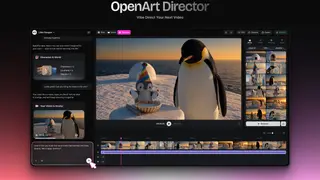
Coco Mao, CEO of OpenArt AI, said at the Access Canada Summit that AI tools will not replace live-action film production in the near future. She sees a hybrid approach combining live production and AI enhancement, with the technology mainly used for previsualization and postproduction. While digital creators and marketers are early adopters, film and TV production has been slower to embrace AI.
OpenArt's Director tool currently serves roughly seven million monthly users, with social media content creators and marketing agencies among its most active adopters. The platform can generate video clips up to five minutes in length from text prompts or scripts, and its "vibe directing" feature has found particular traction in advertising, where clients are willing to pay for revenue-generating content.
Mao acknowledged that traditional film and television production has been the slowest sector to embrace AI, citing understandable reasons for the caution. She emphasized that the technology's current practical applications lie in previsualization and postproduction rather than replacing on-set work, noting that human performances remain extremely difficult to replicate convincingly through AI.
This stance could shape how the entertainment industry navigates AI adoption during a period of significant labor tension and creative anxiety. If hybrid workflows become the norm, production crews may see their roles evolve rather than disappear, potentially easing fears of widespread displacement. However, independent and first-time filmmakers might increasingly bypass traditional production entirely, which could alter how stories are made and who gets to make them. The outcome may depend on whether studios and unions find common ground on AI's boundaries.