Extreme weather may be delaying ozone layer's full recovery
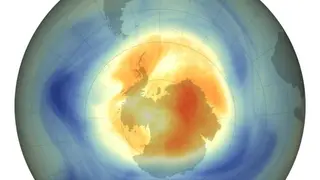
The World Meteorological Organization reports that the ozone hole is significantly smaller than its historical average, yet recovery has been slower than anticipated. Scientists attribute this slowdown partly to extreme weather events driven by human-caused climate change. While the Montreal Protocol's ban on CFCs has helped, the layer remains far from fully healed.
The WMO’s latest bulletin notes the ozone hole’s maximum extent in 2025 was smaller than the 1990–2020 average, but recovery has plateaued. Seasonal swings complicate interpretation: October is typically the lowest-ozone month, yet in 2025 the minimum arrived in September. Meanwhile, a separate anomaly showed below-average ozone stretching from Greenland across Europe to Central Asia, linked to a strong Arctic event.
Scientists emphasize that year-to-year variability masks long-term trends. While the Montreal Protocol’s CFC ban remains a cornerstone, the slower-than-expected healing suggests climate-driven weather patterns may be interfering with atmospheric chemistry. Monitoring agencies like CAMS stress the need for continuous data to untangle natural fluctuations from human influences.
The ozone layer’s slow recovery could affect public health and environmental policy. If extreme weather delays healing, populations in high-latitude regions may face prolonged UV exposure risks, potentially increasing skin cancer rates. Conversely, the Montreal Protocol’s success offers a template for global cooperation, but this story may temper expectations about quick fixes for climate change, reminding societies that recovery timelines can be unpredictable and require sustained monitoring.