Record-Breaking Summer Heat Confirmed Across U.S. and Europe
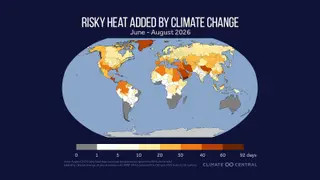
NOAA data shows the meteorological summer of 2026 was the hottest ever recorded for the contiguous United States, surpassing previous records by 0.4 degrees Fahrenheit. Climate Central analysis found that 86% of Americans experienced at least 30 days of risky heat, with western states like Colorado, Utah, and Nevada seeing the largest deviations. Europe also suffered severe heat waves, with over 25,000 deaths reported and the continent warming faster than any other.
The NOAA confirmation places the 2026 meteorological summer above the previous benchmarks of 1936 and 2021, with August running 3.5 degrees hotter than the 20th-century average. Climate Central's analysis identified western states as the most affected, with Colorado, Utah, and Nevada recording the largest temperature deviations. Europe's heat waves resulted in over 25,000 deaths, with the continent warming faster than any other due to Arctic proximity and reduced atmospheric aerosols from cleaner industrial processes.
The report also highlighted that nights are warming faster than days, preventing the body from recovering from daytime heat accumulation. This compounds risks for outdoor workers and those with underlying heart and lung conditions, as extreme heat extends beyond single events into prolonged, unrelenting periods.
This summer's heat could reshape how communities prepare for extreme weather, particularly in western states where deviations were largest. Vulnerable populations—outdoor laborers, the elderly, and those with pre-existing conditions—may face heightened health risks as nighttime cooling diminishes. The European death toll suggests that even developed regions with strong infrastructure are not immune, which could prompt cities to expand cooling centers, adjust work schedules, and strengthen grid resilience. The unmasking effect from cleaner air policies may also complicate climate messaging, as reduced aerosols accelerate warming even as public health improves.