PS2's MechaCon security chip fully reverse-engineered after four-year effort
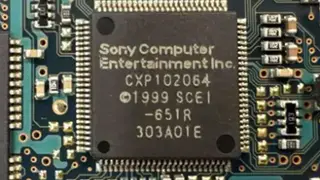
A Canadian enthusiast named DiscoStarslayer has successfully reverse-engineered and dumped the CXP102064 MechaCon security chip from the original PlayStation 2. The process involved chemical decapping, optical analysis, and finding an exploit, taking four years. This breakthrough aids hardware preservation, repair, and emulation projects.
The CXP102064 MechaCon chip governed optical drive functions and handled decryption for Magic Gate memory cards and KELF executable files. DiscoStarslayer's process involved chemically removing the chip's protective casing, examining the silicon die under microscopes, and eventually locating a software-based exploit that enabled data extraction. Beyond the PS2 Fat, the chip appeared in Namco System 246/256 and Konami Python 1 arcade hardware, which relied on MechaCon firmware for authentication and encrypted game execution.
The four-year effort culminates in a complete dump of the chip's contents, giving preservationists and repair technicians a clearer path forward. Replacing aging optical drives in PS2 consoles becomes more feasible, and emulation projects gain deeper insight into the console's security architecture. The work also highlights how dedicated hobbyists can achieve what might otherwise remain locked behind proprietary barriers.
This breakthrough could meaningfully extend the lifespan of PS2 hardware and arcade machines that rely on the MechaCon chip, benefiting collectors, repair shops, and museums preserving gaming history. Emulation projects may gain greater accuracy, allowing future generations to experience these titles authentically. However, the unlocked security data could also enable piracy or counterfeit game production, though the aging platform's commercial value limits that risk. Overall, preservation and hobbyist communities likely gain more than they lose.