Memory crunch forces small device makers to redesign hardware and verify chip authenticity
Smaller smartphone and laptop manufacturers are struggling more with memory chip availability than with rising prices, according to a Reuters report. Fairphone's CEO says memory now accounts for nearly 60% of the bill of materials for budget phones, prompting redesigns and advance orders. Some firms are also testing incoming chips to avoid counterfeit parts, while SK Hynix's CEO predicts 2027 will be the worst year of the shortage.
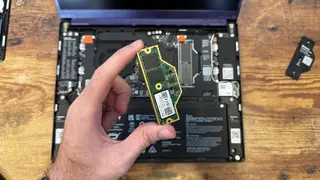
Smaller hardware makers are adapting their engineering and supply strategies to survive the memory crunch. Jolla has developed two motherboard variants so it can swap between combined packages and discrete chips based on what is available, while also testing every incoming batch to weed out refurbished parts passed off as new. Framework leans on its modular design, letting customers reuse memory from older machines, and it places non-cancellable orders without knowing final pricing or delivery quantities.
The financial strain is severe for budget-tier products. Fairphone reports memory now consumes roughly 60% of the bill of materials for phones around $400, a figure that threatens the viability of low-cost devices. SK Hynix's CEO has warned that 2027 will be the worst year of the shortage, with conditions persisting into 2030, leaving smaller players to navigate an extended period of uncertainty.
Consumers of budget smartphones and laptops could face fewer choices, higher prices, or delayed releases as smaller manufacturers struggle to secure memory. The shortage may also widen the gap between large brands with locked-in supply agreements and smaller firms operating on thinner margins. Repair-friendly and modular devices could become more attractive as users seek ways to extend hardware life, though counterfeit-chip risks may undermine confidence in second-hand components.