Solar desalination system converts seawater to fresh water while capturing salt and minerals
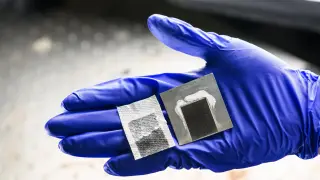
A new solar-powered device uses laser-etched metal to evaporate seawater, leaving salt as a solid rather than brine. The process also allows recovery of valuable minerals like lithium. Researchers say it could provide clean water without the environmental harm of conventional desalination.
The femtosecond laser pulses reshape metal surfaces at microscopic scale, producing structures that both trap sunlight efficiently and pull water across the panel through capillary action. This dual function eliminates the need for pumps or chemical additives that conventional systems require. As seawater evaporates, dissolved minerals migrate to untreated side regions, preventing the salt crust that typically disables solar desalination devices.
The approach directly addresses the brine problem plaguing current desalination. Reverse osmosis and thermal distillation discharge concentrated salty waste that raises ocean salinity and depletes oxygen near discharge points. By capturing salts as solids, the system avoids that damage. Recovered minerals, including lithium used in batteries, could turn waste into a revenue stream, though extraction methods remain unspecified.
This technology could reshape water access for coastal communities and island nations where desalination is already essential but environmentally costly. If scaled successfully, it may reduce marine ecosystem damage while making desalination more energy-efficient through passive solar heating. The lithium recovery aspect could also create economic incentives for adoption, potentially lowering costs for water-stressed regions. However, real-world performance at industrial scale remains unproven, and deployment timelines are uncertain.