Human neurons replace half of mouse brain, boosting maze performance
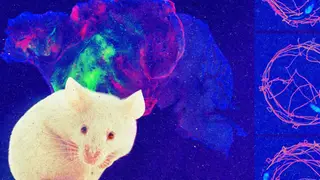
Researchers at Stanford University genetically engineered mice to lack most of their cortex and hippocampus, then injected human brain organoids. The human cells grew to occupy nearly half the brain volume, and these mice performed better on memory tests than mice without the human tissue. The study, published in Nature, highlights the potential of organoid technology for studying brain injuries and reshaping biology through genetic engineering and stem-cell techniques.
The Stanford team created the xenocortical mice by first engineering animals whose cortex and hippocampus failed to develop normally, then introducing human organoids shortly after birth. Over weeks, the human cells expanded to fill roughly half the brain cavity, integrating with the mouse nervous system despite the species difference. The organoids appeared to contribute functionally, since chimeric animals outperformed their unmodified counterparts in maze navigation tasks.
Pașca's earlier work had already shown organoids could survive in rodent hosts, but this experiment demonstrates far more extensive integration. The researcher has publicly drawn a boundary against repeating the procedure in primates, citing concerns about blurring cognitive distinctions between species. He also previously assembled an ethics panel to examine organoid technology's implications, including potential commercial exploitation of vulnerable patients.
This research could reshape how scientists model neurological damage and test therapies, potentially accelerating treatments for stroke or traumatic brain injury. However, it may also intensify ethical debates about animal consciousness and the acceptable limits of interspecies chimeras. Patients desperate for cures could be vulnerable to unproven organoid-based treatments, while regulators may face pressure to establish clearer guidelines governing such experiments.