Ultra-processed diet linked to fat buildup inside thigh muscles
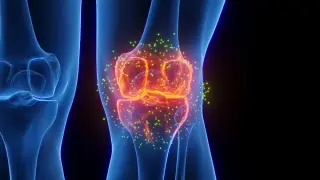
MRI scans of 615 adults at risk for knee osteoarthritis showed that higher consumption of ultra-processed foods was associated with greater fat within thigh muscles, even after adjusting for calorie intake and physical activity. This fatty infiltration may weaken knee support and increase osteoarthritis risk, according to a study published in Radiology.
The study drew on data from the Osteoarthritis Initiative, a NIH-sponsored research program, examining 615 adults averaging 60 years old with a mean BMI of 27. Roughly 41% of participants' dietary intake came from ultra-processed foods such as packaged snacks, frozen pizzas, and soft drinks.
MRI scans showed that higher ultra-processed food consumption correlated with greater fatty infiltration within thigh muscles, independent of calorie intake, physical activity, and sociodemographic factors. This fatty buildup may weaken muscular support around the knee, potentially accelerating osteoarthritis risk in this already vulnerable population.
This finding could reshape osteoarthritis prevention strategies, suggesting dietary quality matters beyond simple calorie counting. Aging adults and those with sedentary lifestyles may face hidden joint risks from heavily processed diets, even when exercise habits seem adequate. If confirmed through further research, this could influence nutritional guidance and prompt earlier dietary interventions aimed at preserving knee health, potentially reducing the substantial healthcare burden associated with osteoarthritis worldwide.