Documentary on Edward Said Links Intellectual's Legacy to Palestinian History
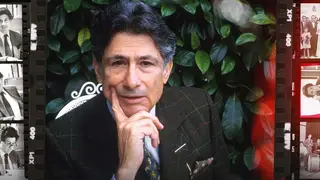
The film, premiering at Toronto, uses archival footage of the late critic to tell his story. It presents an oral history of Palestinian identity after the 1948 war. The documentary is also set to screen at the New York Film Festival.
The documentary premieres at the Toronto International Film Festival before traveling to the New York Film Festival, giving it two prominent North American platforms. Director Maiken Baird constructs the film entirely from archival recordings, allowing Said's own voice to carry the narrative rather than relying on talking-head interviews or a narrator.
This editorial approach emphasizes Said's role as both a public intellectual and a witness to Palestinian displacement following the 1948 war. By weaving his personal reflections with historical context, the film positions his intellectual output as inseparable from the political realities that shaped his life and work.
This documentary could reshape how general audiences understand Edward Said beyond his academic reputation, potentially introducing his ideas about culture and identity to viewers unfamiliar with his writing. By foregrounding Palestinian history through his testimony, the film may encourage broader conversations about displacement and intellectual legacy in cultural discourse. Its festival placements could influence how critics and programmers frame discussions of Middle Eastern history in documentary cinema.