T. rex body temperature matched modern mammals, tooth study suggests
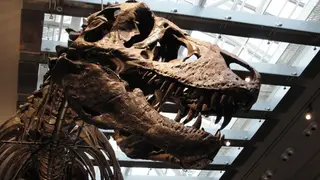
Analysis of fossilized teeth indicates Tyrannosaurus rex maintained a body temperature comparable to that of modern elephants and humans. The findings support the idea that the dinosaur was endothermic, or warm-blooded.
The tooth-based analysis adds fresh evidence to a long-running scientific debate over whether dinosaurs were cold-blooded like modern reptiles or warm-blooded like mammals and birds. Fossilized tooth chemistry can preserve isotopic signatures that reflect the temperature at which body tissues formed, offering a window into an animal's internal heat. A T. rex body temperature near that of elephants and humans implies a high metabolic rate, aligning with the growing view that many theropod dinosaurs were active, endothermic creatures rather than sluggish ectotherms. This finding also connects to broader questions about dinosaur physiology, growth rates, and how such massive predators sustained their energy demands.
This finding could reshape public perception of dinosaurs as more active and bird-like than reptilian. Educators and museum curators may update exhibits to reflect warm-blooded interpretations, and the idea of a warm-blooded T. rex may make the species feel more relatable to general audiences. For paleontologists, it reinforces a research direction that could influence how future fossil studies approach metabolism and behavior, potentially increasing public engagement with paleontology as a field.