Kremlin Silences Remaining Peace Advocates Before Parliamentary Vote
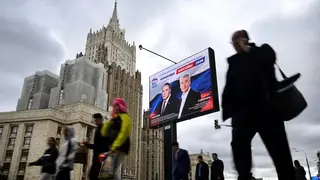
Independent candidate Boris Nadezhdin, who campaigned on a peace platform for Russia's upcoming State Duma elections, faced escalating legal harassment and fled to Paris in late July to avoid imprisonment. His departure leaves virtually no prominent anti-war voices in the race, marking the culmination of a broader Kremlin effort to eliminate dissent ahead of the first parliamentary vote since the 2022 invasion of Ukraine. Nadezhdin, who had previously run for president, said his continued visibility likely irritated Kremlin officials.
Nadezhdin's campaign lasted only weeks before legal harassment forced him to depart for Paris in late July. He speculated that his refusal to disappear after an unsuccessful presidential run two years prior drew Kremlin ire.
The Yabloko party, another anti-war voice, was likewise disqualified by court order. Putin framed the Sept. 18-20 vote as a demonstration of national unity, while the Kremlin appears wary that permitting peace candidates could reveal public discontent as Ukrainian strikes reach deeper into Russian territory.
The silencing of anti-war politicians could reinforce the impression, both at home and abroad, that the invasion enjoys unanimous Russian support. Citizens opposed to the war may feel increasingly marginalized, potentially fueling emigration or underground activism. Internationally, the purge may signal that no legitimate political channel exists for peace advocacy in Russia, which could complicate future diplomatic efforts if visible domestic backing for compromise becomes necessary.