Longer Surveillance Interval After Polyp Removal May Be Safe for High-Risk Patients
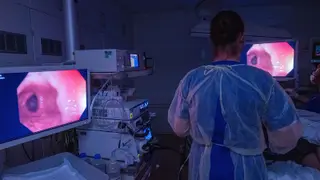
A trial found that beginning surveillance colonoscopy five years after removal of high-risk adenomas was as effective as a three-year interval for detecting colorectal cancer. The cumulative incidence of colorectal cancer at 5.5 years was similar between groups, and deaths were rare. The findings suggest that more frequent surveillance may not be necessary for all patients.
The European Polyp Surveillance II trial enrolled more than 10,000 patients across eight countries, dividing them nearly evenly between the two surveillance schedules. High-risk adenomas were characterized as lesions measuring at least 10 millimeters, containing high-grade dysplasia or villous growth patterns, or appearing as three to ten adenomas regardless of type.
Current U.S. and international guidance calls for the first follow-up colonoscopy at three years for these patients, yet that recommendation stems largely from observational data and two small randomized trials with imprecise results. The interim analysis, published in the New England Journal of Medicine, found that over 99% of participants remained free of colorectal cancer within five years of polyp removal.
This trial could influence surveillance protocols for millions of patients classified as high-risk, potentially reducing the number of invasive procedures they undergo. Longer intervals may lower healthcare expenditures, diminish procedure-related complications, and lessen patient anxiety and burden. However, these are interim findings, and the planned 10-year analysis may reveal different outcomes. If confirmed, guidelines could shift toward more individualized, evidence-based surveillance schedules rather than uniform vigilance.