Maternal Egg and Peanut Consumption During Pregnancy Does Not Cut Infant Allergy Risk
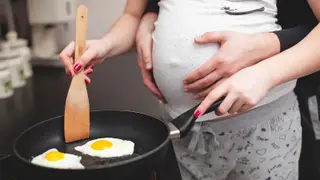
A randomized trial found that pregnant and lactating women who ate at least six eggs and 60 peanuts per week did not reduce their infants' risk of egg or peanut allergy at age 1 compared with a standard diet. The allergy rates were similar between groups. The findings reinforce the importance of introducing these foods to infants directly rather than relying on maternal diet.
The trial enrolled families with strong allergic histories, making them a high-risk population. The observed allergy rate of roughly 8% was about half the 16% anticipated, a discrepancy researchers attributed to updated Australian infant feeding guidelines from 2016 that encouraged early introduction of allergenic foods, paralleling similar shifts in U.S. guidance.
The accompanying editorial framed the results as reassuring for pregnant and lactating women, suggesting they need neither avoid eggs and peanuts nor consume excessive amounts for allergy prevention. Instead, the emphasis falls on direct infant exposure to these foods at developmentally appropriate times, with maternal diet playing no demonstrated preventive role in the outcomes measured.
This trial could ease anxiety among expectant parents in families with allergic histories, who may feel pressure to consume large quantities of allergenic foods during pregnancy. The findings may also help clinicians offer clearer guidance, shifting focus from maternal dietary manipulation to direct infant feeding practices. However, the lower-than-expected allergy rates suggest the study may have limited statistical power, and families should continue following evidence-based infant feeding recommendations.