Central Bank Defies President, Implements First Rate Increase in Three Years
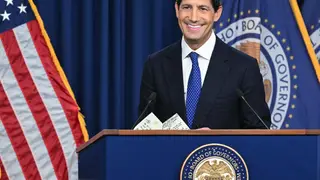
The Federal Reserve, led by Chair Kevin Warsh, voted unanimously to raise borrowing costs by a quarter point, citing persistently high inflation. Warsh signaled further hikes are likely this year and into 2027. The move contradicts President Trump's push for lower rates and reflects economic strain from the Iran war and trade tensions.
The quarter-point increase follows August inflation data showing prices rising at a 3.4 percent annual clip, which erased hopes that earlier summer moderation was bringing the Fed closer to its 2 percent target. Warsh pointed to geopolitical tensions as a changed factor since the previous meeting, noting that global hotspots cannot be ignored when setting policy.
Fed Governor Christopher Waller, who voted to hold rates steady in July, had signaled the shift was possible if August data showed the improvement was fleeting. Warsh offered limited forward guidance beyond reiterating the committee's commitment to price stability, which markets interpreted as indicating higher borrowing costs for mortgages, car loans, and business loans through at least the coming year.
The rate hike will directly affect American borrowers through higher costs for mortgages, car loans, and business credit. Families already strained by war-related inflation and trade tensions may face additional financial pressure, while the Fed's defiance of presidential pressure could reshape expectations about central bank independence. The signal of further hikes into 2027 suggests prolonged higher borrowing costs, potentially slowing economic activity and affecting employment prospects, though officials note jobs and growth remain solid for now.