Nigeria Boosts Military Budget and Leadership Shakeup Ahead of Polls
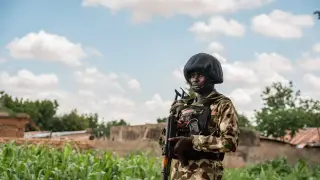
Nigerian President Bola Tinubu has appointed a new army commander for the northeast and reshuffled 15 top generals as part of broader military reforms. These changes, alongside a significant increase in military spending, aim to curb insecurity before January's general elections. Tinubu is seeking a second term against the same main challengers from 2023.
The military overhaul places Maj. Gen. Ibikunle Ajose in charge of the northeast, where Islamist insurgents remain active, following a brief tenure by his predecessor. The broader reshuffle of 15 generals coincides with a substantial budget increase aimed at stabilizing volatile regions before the January vote. Tinubu's reelection bid faces familiar rivals, though an opposition coalition between Atiku Abubakar and Peter Obi reportedly collapsed over competing ambitions.
Security data underscores the urgency: over 7,800 kidnappings occurred between July 2025 and June 2026, a 66 percent rise, with ransom payments tripling to roughly $5.8 million. Boko Haram received most of these funds through mass abductions. The violence has disrupted farming and food supply chains, particularly in northern states, linking security failures directly to economic hardship and household costs.
The election outcome may hinge on how voters weigh Tinubu's military spending against persistent kidnappings and food insecurity. If reforms appear effective, they could bolster confidence in his leadership; if violence continues, opposition candidates may gain traction. The economic ripple effects—displaced farmers, rising prices—affect everyday Nigerians most acutely, potentially shaping turnout and protest sentiment. However, the fractured opposition and rural-urban divides may limit how decisively security concerns translate into electoral change.