Senate Bill Threatens to Weaken Federal Appliance Efficiency Rules
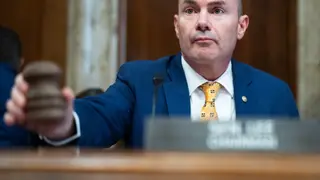
The Senate Energy and Natural Resources Committee heard testimony on the Energy Efficiency Reform Act, which would impose major hurdles for the Department of Energy to update efficiency standards for appliances like dishwashers and boilers. The bill also creates a pathway to roll back existing efficiency mandates, potentially increasing energy and water consumption. Advocates argue the measure would make it nearly impossible to set new standards, undermining grid reliability and consumer savings.
The Energy Policy and Conservation Act established the federal Appliance and Equipment Standards Program, which sets mandatory minimum efficiency levels for electricity and water use across numerous household and commercial products. The Department of Energy reviews each appliance's requirements at least once every six years, aiming to reduce peak electricity demand and strengthen grid reliability.
Bill supporters, including DOE's Alex Fitzsimmons, contend that current rules mandate reviews even when products have little efficiency improvement left. Yet the Appliance Standards Awareness Project reports households saved approximately $6,000 on utility bills over the past decade, and Lawrence Berkeley National Laboratory credits these standards with 6.5 percent of total U.S. energy savings in 2024.
If enacted, this bill could slow the pace of appliance innovation and reduce consumer savings on energy and water bills. Households, particularly lower-income families who benefit most from efficiency gains, may face higher utility costs over time. Grid operators could see increased peak demand, potentially affecting reliability during extreme weather events. The legislation may also signal a broader shift in federal regulatory priorities, influencing how future administrations approach environmental and consumer protection standards.