Colorful rice varieties contain unique fats and slower-digesting starch
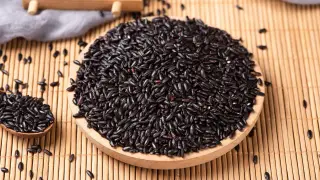
A study of 56 Japanese rice cultivars found that black and green varieties contain unusual lipid molecules and starches that break down more slowly than white rice. These properties may make them beneficial for blood sugar control and metabolic health. The research identified 196 different lipid molecules across the samples.
The research team employed liquid chromatography and mass spectrometry to catalog the lipid content of 56 japonica rice cultivars, ultimately identifying 196 distinct molecules across five major lipid groups. Among the notable findings was the first-ever detection of FAHMFAs in rice, a class of compounds previously linked to anti-inflammatory activity and metabolic benefits in biological systems.
The study also used laboratory simulations of human digestion, cooking rice samples and exposing them to digestive enzymes to measure starch breakdown rates. Black and green varieties showed slower starch degradation compared to white rice, suggesting a more gradual glucose release. Japonica rice accounts for roughly 15% of worldwide rice consumption, making these findings potentially relevant to a substantial share of global rice eaters.
This research could influence how consumers and food manufacturers view pigmented rice varieties. If the findings hold up in human studies, black and green rice may gain traction as functional foods for people managing blood sugar, such as those with diabetes or prediabetes. The slower-digesting starch and unique lipid profiles could also encourage breeders to develop new cultivars with enhanced nutritional properties, potentially expanding market demand for specialty rice beyond traditional white varieties.