Former Microsoft engineer reveals how Windows XP's notorious leaked product key bypassed activation
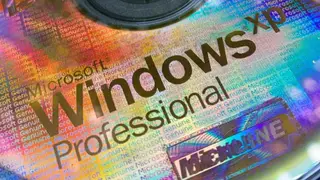
A retired Microsoft engineer explained on X how the widely circulated Windows XP volume license key worked. The installer validated keys against encrypted data on the disc, which consisted of the entire 10MB Microsoft Bob application. This validation method was used for the enterprise-only volume media, not the retail version.
The leaked key functioned only with Volume License media, which Microsoft reserved for enterprise partners installing Windows on many machines at once. Unlike retail discs, this media skipped per-installation activation, making the single key extraordinarily valuable once it escaped. The installer's validation method was unusual: it checked the entered key against encrypted data on the disc, and that data was the complete Microsoft Bob application, a 1995 beginner-oriented assistant software that preceded Clippy.
The Volume disc reached partners two months before Windows XP's October 2001 launch, and Plummer suspects a major OEM like Dell or Intel leaked both the media and key. The pirate group Devils0wn distributed it widely. Microsoft's response was measured — Service Pack 1 blacklisted 640 leaked keys including FCKGW, and Service Pack 2 blocked updates for blacklisted systems. Plummer rejected theories of a weak key algorithm, crediting the original designers as highly skilled.
This story illustrates how copy-protection schemes can fail through distribution channels rather than cryptographic weakness. The leak's impact rippled through millions of unauthorized Windows XP installations, potentially affecting software revenue and shaping Microsoft's later, more aggressive anti-piracy measures like Windows Genuine Advantage. For users, the episode normalized using leaked keys, which may have influenced attitudes toward software licensing. For enterprises, it highlighted risks in pre-release distribution to partners. The incident could also inform modern discussions about balancing security with customer convenience in software activation.