Researcher warns triple threat may push Amazon past irreversible tipping point
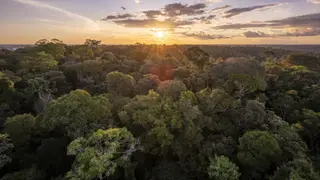
In an interview with Live Science, ecologist Bernardo Flores explained that the combination of El Niño, climate change, and criminal activity could drive the Amazon rainforest beyond a critical threshold. Such a collapse would have far-reaching effects on the global climate and biodiversity. Flores emphasized the need for proactive measures to prevent this outcome.
The Amazon’s resilience depends on complex feedback loops, where trees generate rainfall that sustains the ecosystem. When drought, heat, and deforestation combine, these loops weaken, potentially converting vast forest areas into degraded savanna. Bernardo Flores’s warning highlights that El Niño events, now intensified by climate change, can trigger rapid drying, while illegal logging and mining accelerate canopy loss. Such a transition would release massive carbon stores and disrupt weather patterns across South America, affecting rainfall as far away as the Andes. Scientists have long modeled tipping points, but this analysis stresses that multiple stressors acting simultaneously make collapse more probable than previously estimated.
If the Amazon crosses this threshold, global climate regulation and biodiversity would suffer, with indigenous communities and regional agriculture facing immediate water and food insecurity. The international community may see accelerated warming, while carbon markets and conservation policies could shift toward emergency interventions. However, predictions remain uncertain, and proactive management—such as reducing deforestation and strengthening enforcement—could still avert the worst outcomes. The story’s impact lies in its call for coordinated action before irreversible change occurs.