Finerenone Wins FDA Approval for Type 1 Diabetes-Related CKD
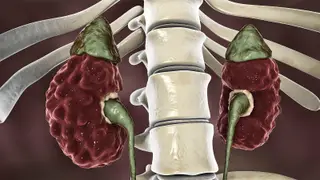
The FDA approved finerenone (Kerendia) for adults with type 1 diabetes-associated chronic kidney disease, the first new treatment for this population in over 30 years. The drug reduces urinary albumin-to-creatinine ratio, slowing kidney disease progression, based on the phase III FINE-ONE trial. About 30% of adults with type 1 diabetes develop CKD, which is a leading cause of death in this group.
The approval addresses a long-standing gap in treatment for type 1 diabetes patients with kidney complications. While standard glucose and blood pressure management remains essential, roughly three in ten adults with type 1 diabetes still develop CKD, which significantly raises risks of heart problems and kidney failure. Finerenone works by blocking mineralocorticoid receptors, which contribute to kidney damage through inflammatory and fibrotic pathways.
Clinical data from the FINE-ONE trial showed meaningful reductions in urinary albumin levels at both 3 and 6 months, with over two-thirds of treated patients achieving the 30% reduction threshold linked to slower disease progression. The drug's safety profile mirrors its established use in type 2 diabetes-associated CKD, with hyperkalemia and hypotension among the most frequently reported side effects.
This approval could meaningfully alter care for a population that has faced limited therapeutic options for decades. Patients with type 1 diabetes and CKD may now have a targeted treatment that slows kidney decline, potentially delaying dialysis or transplantation. Healthcare providers may need to incorporate UACR monitoring more systematically to identify eligible patients. The drug's established safety data from type 2 diabetes use may ease adoption, though cost and access considerations could influence real-world uptake.