Colombian Ex-Combatants Fear Rollback of Peace Accord Gains
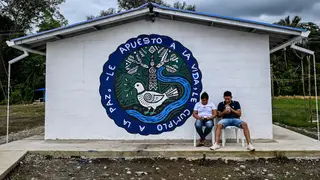
Former FARC members who have built a farming cooperative in southern Colombia are anxious that the new administration may undermine the 2016 peace agreement. The cooperative, comprising nearly 100 ex-fighters and their families, has established homes, fishponds, a nursery, and a daycare, but now worries about its future. The article highlights the fragility of reintegration efforts under the new government.
The Comuccom cooperative operates on land loaned by Puerto Guzmán municipality in 2019 through a reincorporation program established under the 2016 peace accord, which ended more than five decades of conflict. Putumayo's position as a coca-producing region with trafficking routes to Brazil and Ecuador has made it a flashpoint, with dissident factions—some led by former FARC members—exploiting the demobilization vacuum.
Cooperative members have built homes, fishponds, a nursery, an apiary, and a daycare, representing a tangible alternative to rearmament. The new administration's militarized security approach, however, threatens to destabilize these reintegration efforts, leaving nearly 100 families uncertain about their legal standing and economic future.
A rollback of reintegration gains could destabilize Colombia's post-conflict order. Former combatants who lose faith in the peace framework may be drawn back toward armed groups, reversing a decade of progress. Rural communities relying on cooperative services such as the daycare could face disruption as well. The outcome may also signal to other nations whether long-term demobilization commitments can survive political transitions, shaping how future peace agreements are designed and enforced.