Unsealed court papers expose Microsoft's private view of AI data scraping as theft
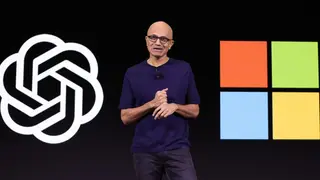
Newly unredacted filings from The New York Times' copyright lawsuit against OpenAI and Microsoft reveal that a top Microsoft executive privately described the companies' AI training practices as theft. The documents also allege the firms bypassed paywalls and stripped copyright notices when assembling training datasets. OpenAI's leadership reportedly acknowledged that its models posed an existential threat to publishers whose work was used without permission.
The newly unsealed documents reveal internal communications that undercut the companies' public fair-use defense. Microsoft's own analysis showed a dramatic decline in traffic to news sites when AI answers replaced traditional search results, with executives describing this as a self-destructive cycle harming both the web and their models. The filings also indicate that OpenAI's training data included tens of thousands of copies of copyrighted articles, and that leadership internally recognized their products functioned as direct substitutes for the publishers' original work.
Microsoft's CEO testified that paywalled content should require licensing, and stated he would have demanded model retraining had he known about the scraping methods. The case remains unresolved, with courts previously showing sympathy toward AI companies' fair-use arguments, though these admissions of substitutive harm and deliberate circumvention of paywalls may complicate that defense.
This case could reshape how AI companies obtain training data and how publishers are compensated. If the admissions undermine fair-use protections, the technology's development may slow significantly, affecting startups and researchers who rely on scraped content. Conversely, publishers and journalists could gain new leverage and revenue streams. The outcome may also influence how other industries—from music to visual arts—negotiate with AI firms, potentially establishing precedents for data ownership in the digital economy.