Senate halts bipartisan effort to shift data center grid costs
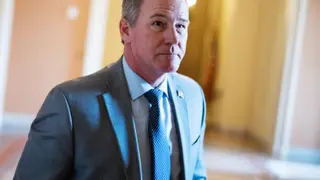
The Senate on Thursday blocked a House-passed bill that would encourage state regulators to require large data centers to pay for electric grid upgrades. Senator Martin Heinrich objected, arguing the measure's voluntary standards are too weak, while his own mandatory-cost alternative was also blocked by Senator Bernie Moreno. The legislation aims to prevent residential rate increases amid growing public concern over data center energy demands.
The blocked measure would have directed state utility commissions to open dockets examining whether large data center operators should bear costs for new generation and transmission infrastructure, with a two-year window to conclude those proceedings. The bill drew from Trump's voluntary Ratepayer Protection Pledge, which has attracted over 300 signatories across utilities and tech firms. Both Husted and Evans face competitive toss-up races in November, adding political weight to the grid-cost debate.
Heinrich's rejected alternative would have imposed mandatory financing obligations on hyperscalers and other large-load customers, requiring them to fund grid upgrades in exchange for reliable transmission service. His proposal also included provisions on community engagement, water conservation, and clean energy adoption. Senate leadership indicated the bill could return later, depending on floor scheduling and other legislative priorities.
This legislative standoff could shape how rapidly data center construction proceeds nationwide. If grid costs remain unresolved, residential ratepayers may face higher electricity bills, potentially fueling community resistance that slows new facilities. Conversely, mandatory cost-shifting could raise barriers for tech companies, possibly affecting AI development timelines and regional economic growth. The outcome may influence how state regulators approach similar questions independently, and could become a campaign issue in competitive districts where energy affordability resonates with voters.