Swedish Left Wins Narrow Victory as Far-Right Alliance Backfires
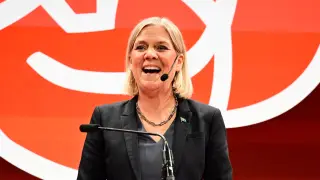
Sweden's ruling right-wing coalition suffered an unexpected defeat in Sunday's parliamentary election, prompting Prime Minister Ulf Kristersson's resignation. The center-left's narrow win is seen as a setback for the far-right Sweden Democrats, whose neo-Nazi and white supremacist ties alienated voters despite their strict migration policies. Progressive leaders celebrate the outcome as a blow to Europe's rising far-right influence.
The election outcome was exceptionally tight, with the right-wing bloc securing 173 seats against the left's 176 in the 349-seat parliament, separated by roughly 50,000 votes. Kristersson's formal resignation on Thursday followed the defeat, which analysts attribute to voter discomfort with the Sweden Democrats' neo-Nazi and white supremacist origins, despite the party's success in enacting strict migration policies.
Andersson, who previously served briefly as Sweden's first female prime minister, now leads coalition negotiations with the Left, Centre, and Green parties. Her stated priorities include healthcare, education, climate, and immigration reform. However, these parties hold divergent views—such as the Centre's preference for tax cuts—which could prolong talks under speaker Andreas Norlen's oversight.
This narrow left victory may signal a voter backlash against mainstream parties allying with far-right factions, potentially influencing coalition strategies across Europe. The result could embolden progressive movements, but the razor-thin margin suggests deep societal divisions remain. A fragmented Swedish government may struggle to deliver stable policy on migration and welfare, possibly affecting public trust in political institutions and shaping future electoral dynamics in the region.