700-year-old skeleton provides first evidence of punitive nose amputation in China
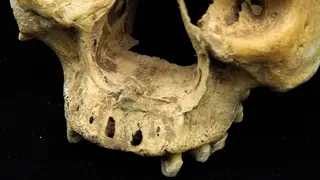
Archaeologists in central China found a woman's skeleton with healed edges around a missing nose, indicating it was amputated during life. Historical texts describe nose cutting as one of the Five Punishments, often for livestock theft. This is the first physical evidence of such a punishment from ancient China.
The skeleton was found in 2018 during pre-construction surveys in Henan province, within a cemetery of 299 tombs. Researchers identified the remains as a woman aged 40-45, with radiocarbon dating placing her death between 1298 and 1404. Isotope analysis suggested a diet of mostly millet with little animal protein, indicating low socioeconomic status.
CT scans showed bone and tissue around the nasal cavity had been cleanly removed from bottom to top, with healed edges showing she survived for years. Bone spurs may reflect chronic inflammation or pressure from a prosthetic nose. Her survival suggests caregivers controlled bleeding and prevented infection, though she likely faced breathing difficulties and social stigma.
This discovery could shift public perception of ancient Chinese legal systems from abstract textual records to tangible human reality. It may prompt historians and archaeologists to re-examine other skeletal collections for similar evidence of punitive mutilation. For modern audiences, the woman's experience of surviving with facial disfigurement could foster empathy toward those living with facial differences today, highlighting how stigma and social challenges transcend historical periods.