Dave Stewart's New Album 'The Way It Was Back Then' Built From Spontaneous Vocal Takes
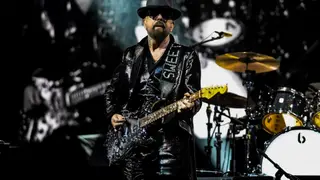
Dave Stewart's new album 'The Way It Was Back Then' was created by recording vocals and acoustic guitar first, then overdubbing instruments later. The Eurythmics legend said he didn't initially intend to make an album, and the process was the opposite of his usual method. The result features lush orchestrations and full-band arrangements on several tracks.
The album's unconventional genesis began as casual sessions at Stewart's Bahamas studio, where he recorded stream-of-consciousness vocals accompanied only by acoustic guitar or a small keyboard called an Orchid, without written lyrics. Engineer Jesse Samler then layered drums, bass, and additional instrumentation around those untouched vocal takes, with a couple of local women providing high backing vocals on select tracks. Stewart noted the process inverted his typical workflow, which usually builds instrumental tracks before vocals.
Thematically, the songs draw from deeply personal territory: nostalgia for his Sunderland childhood anchors the title track and "The House Where I Was Born," while "Cry If You Want" emerged from one daughter's serious health struggles. "Black Cat" expresses defiant resilience, and its recorded guitar solo actually ran about 15 minutes before being edited. Stewart plans to perform the album in full at hometown concerts, though he admits he must learn the songs first, having only sung them during the original recording sessions.
This album's spontaneous creation method could inspire other veteran artists to embrace more intuitive, less polished recording approaches, potentially shifting industry norms around production. For audiences, particularly longtime Eurythmics fans, the reflective themes of memory and resilience may offer emotional resonance, especially among older listeners contemplating their own histories. The stripped-down process may also demonstrate that creative risk-taking remains viable late in a career, possibly encouraging established musicians to prioritize artistic authenticity over commercial formulas.